
Why I Stopped Obsessing Over Tools and Started Focusing on Aesthetics
- AmirKhan
- Dec 24, 2025
- 1 min read
I tried creating abstract art for the first time—and something unexpected happened.
For the first time in a long while, I wasn’t proving how well I knew the tool. No shortcuts, no features, no precision—just design. I played with colors, looked at references, experimented without fear, and most importantly, allowed myself to make mistakes.
That’s when I realized: obsessing over tools makes the process mechanical, and a mechanical process strips work of its soul. Tools speed up execution, but they cannot give your work meaning.
In corporate design, it’s easy to hide behind grids, rules, and features—not because you believe in them, but because you’re afraid. Afraid the design might fail. Afraid of judgment. Afraid of honesty.
Abstract design gave me freedom—and freedom leads to mistakes. But conscious mistakes aren’t weaknesses; they’re part of discovery. After enough of them, you find something personal, something original. Originality doesn’t come from mimicking—it comes from honesty.
I also realized I’m not just an aesthetic-driven designer. I’m a conceptual designer. I care about meaning. Design isn’t just how it looks—it’s what it says. Without meaning, visuals are empty.
If you’re a junior designer, remember: tools are only 20% of your growth. Aesthetics, experimentation, and honesty take you further. Learn the tool, but don’t let it limit your thinking. Design should feel alive, not just clickable.
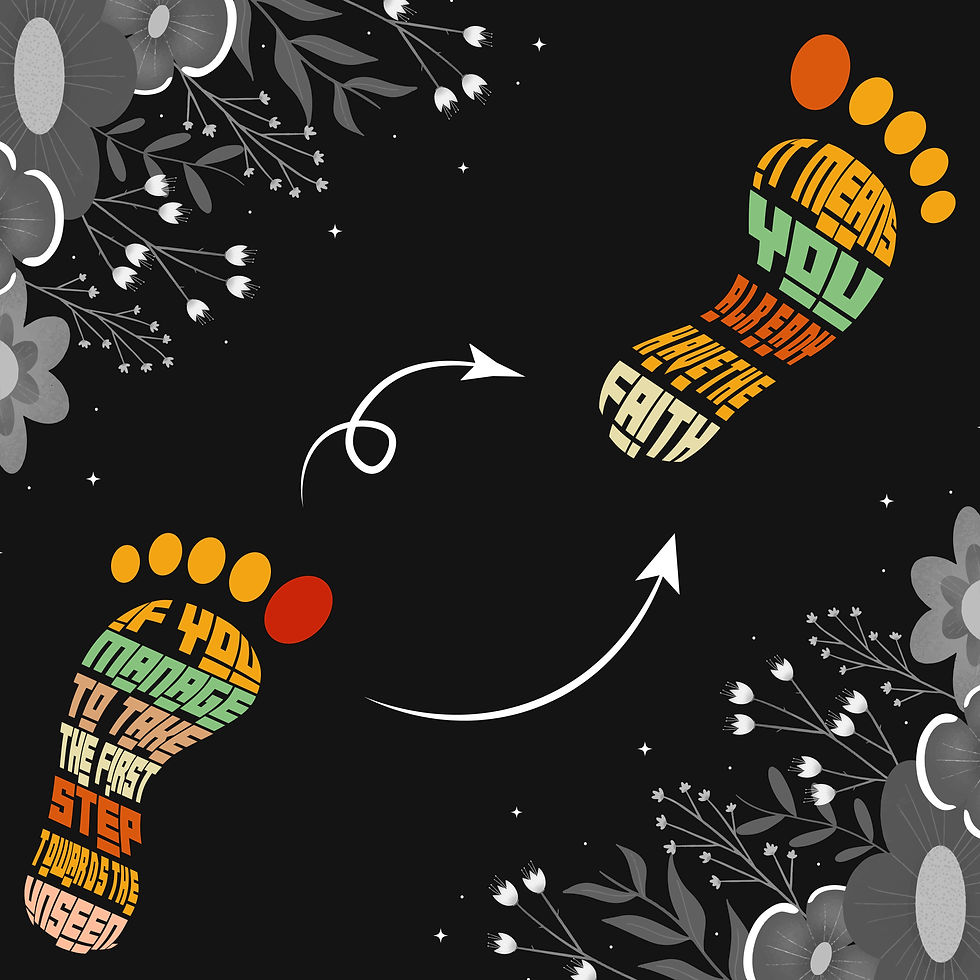
"If you manage to take the first step towards the unseen,
it means you already have the faith."


Comments